


What is Esalen Massage®?
Origins, technique, and how to train, explained by Ellen WatsonEsalen Massage® is a moving meditation and hands-on healing art, developed at Esalen Institute on the California coast in the 1960s. Shaped by the rhythm of the Pacific Ocean, it uses long flowing strokes, gentle movement of the limbs, and a calm, present touch that helps the body relax deeply. Ellen Watson teaches it in Bali.
Interview with Ellen Watson
Ellen shares her felt understanding of Esalen® Massage as a gentle return to presence, connection, and the quiet intelligence of the body.
Where did Esalen Massage® come from?
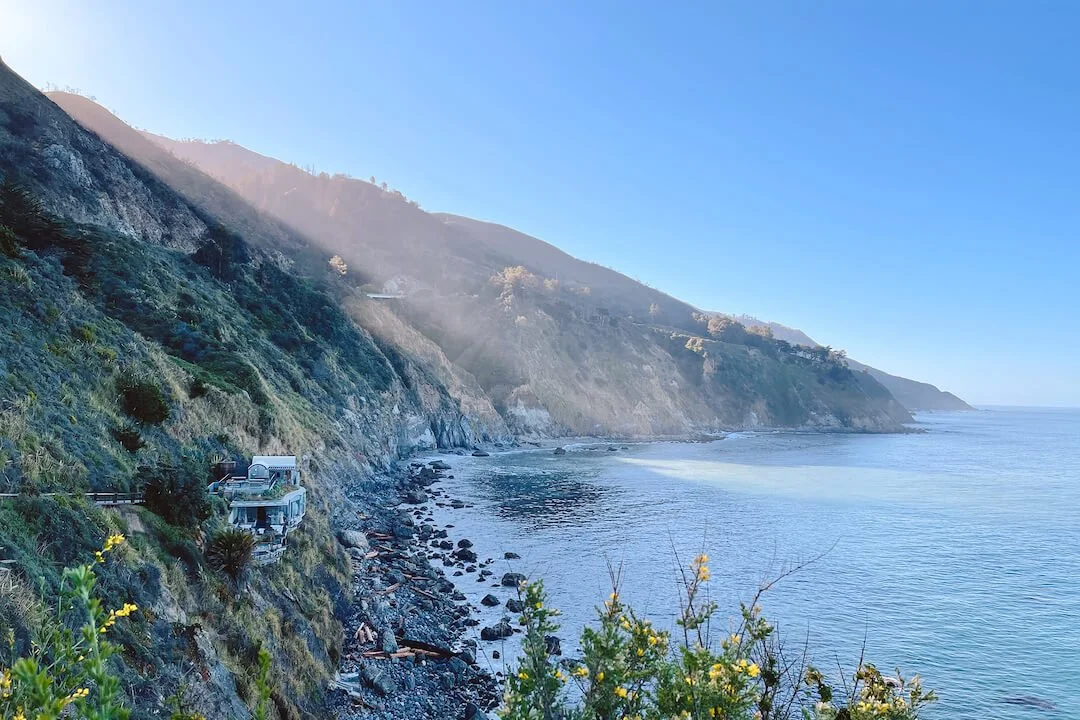
Esalen Massage began at Esalen Institute on the Monterey County coast of California in the 1960s. Swedish massage was part of the foundation, and the rhythm of the Pacific Ocean shaped the style. It was a time when people were tuning in to themselves, so a practice that asks the giver to be fully present fit perfectly.
Who are the Esselen people, and how does the name connect?
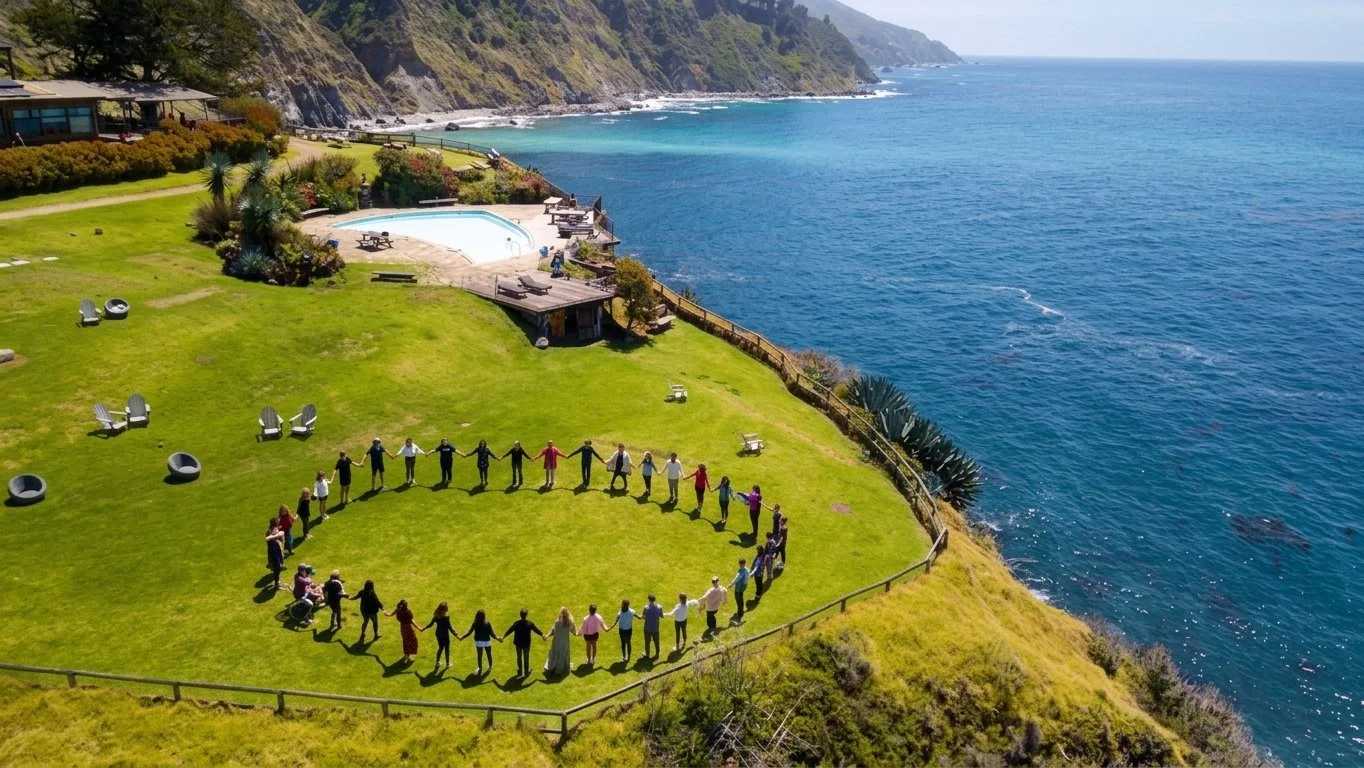
Esselen is the name of the Native American tribe that lived on this coast for around 10,000 years. The Institute chose its name, spelled Esalen, without asking the tribe. Today the Institute and the Esselen Tribe work together as co-stewards of the land. As a brand, "Esalen" has come to mean a certain quality of experience. Honoring the origin is part of how we teach it.
What does an Esalen Massage® session feel like?
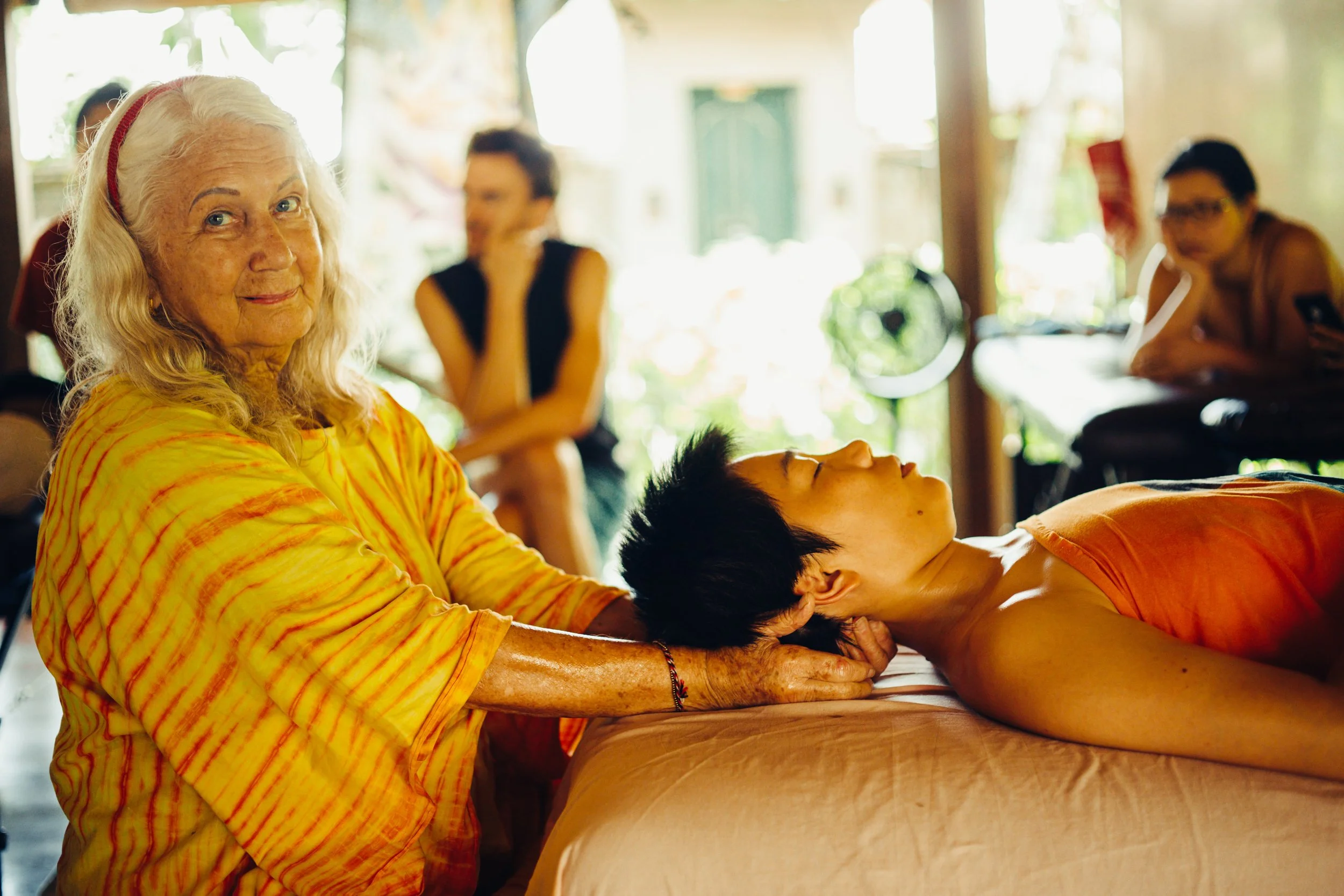
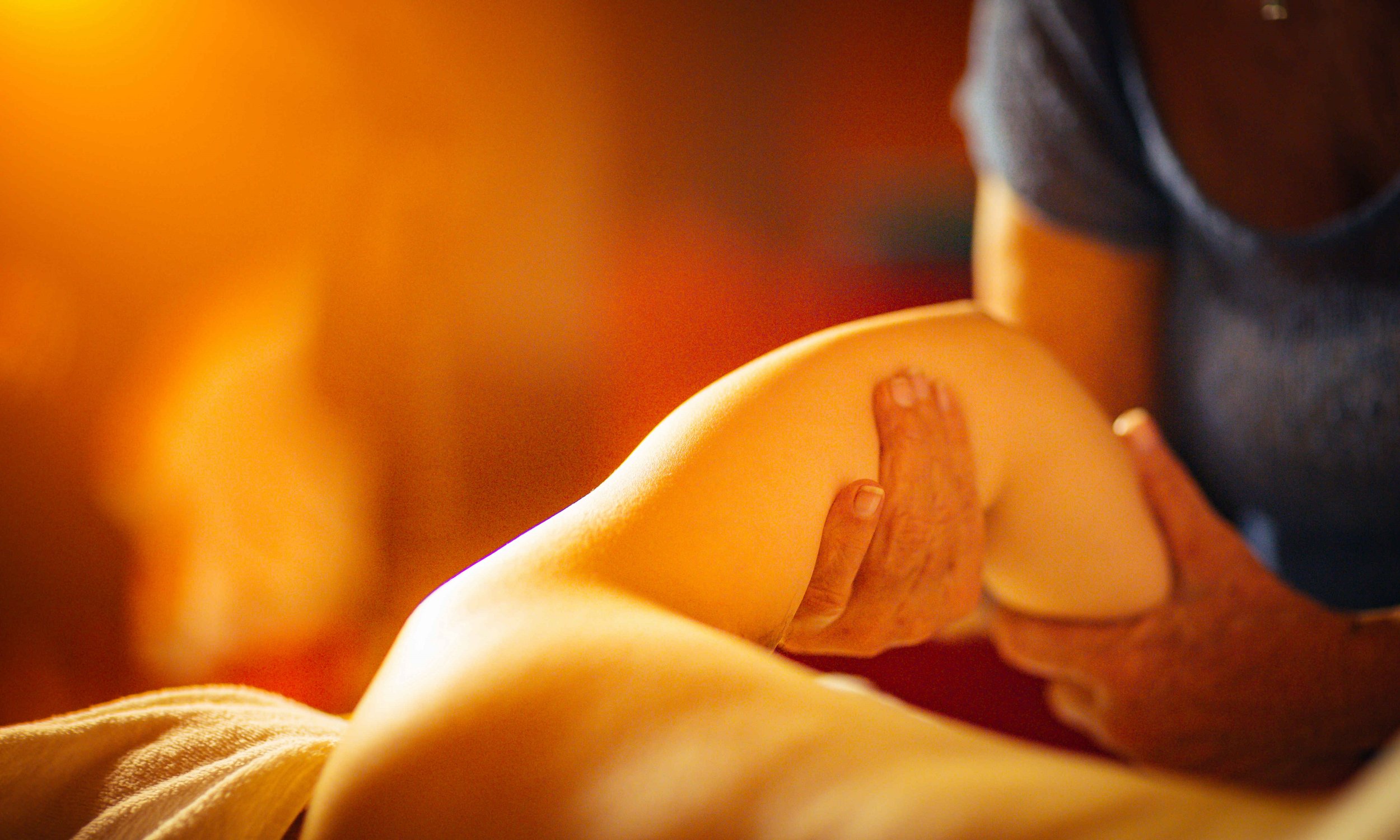
Each session starts with a breath. We lower our hands, observe the breath of the other person and our own, then make contact. The signature move is the long stroke, flowing from the shoulder down the arm, across the torso, and all the way to the foot. It looks simple and takes years to feel natural.
What makes the touch different?
Three ideas guide the work:
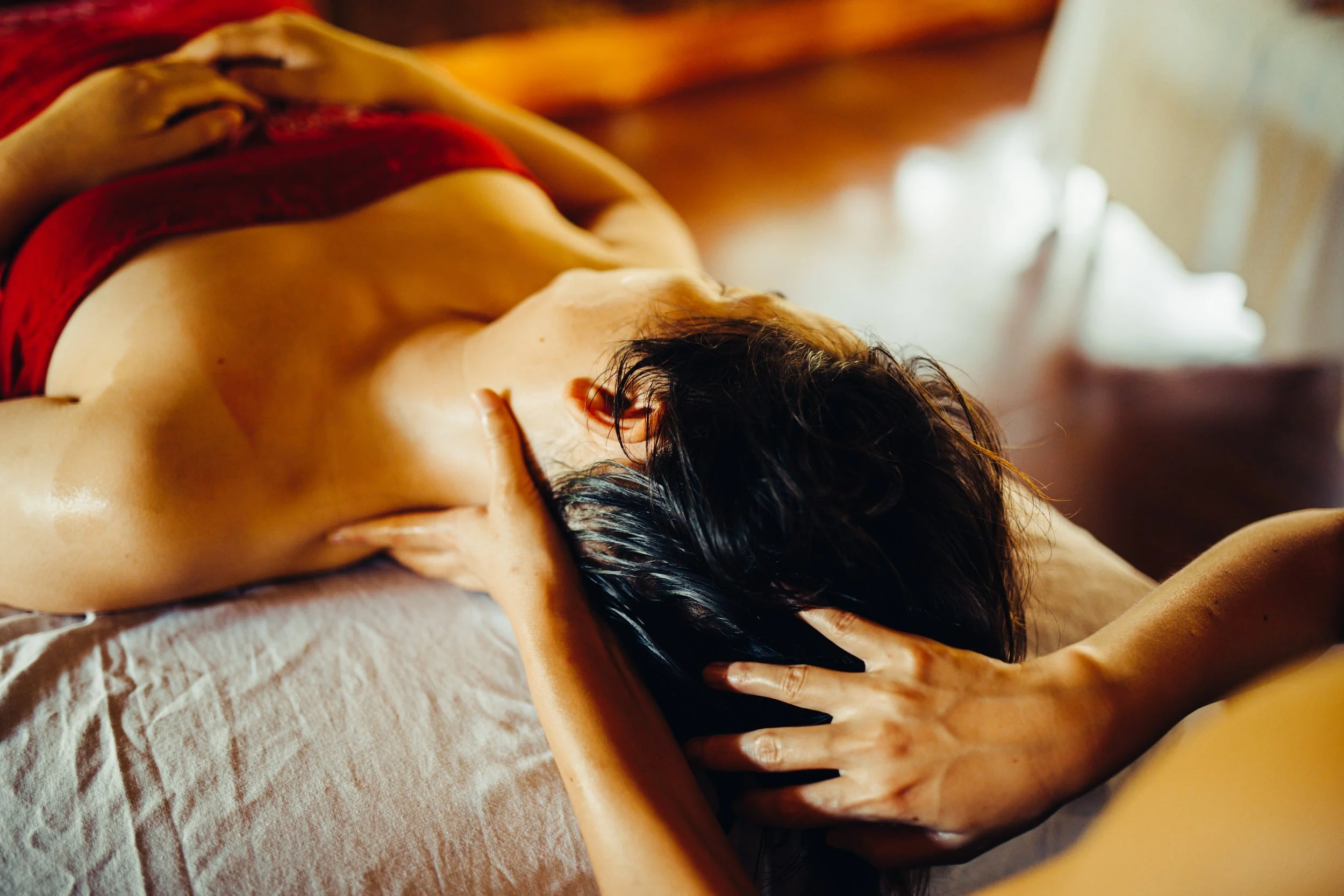
Movement: Moving the whole body well lets us reach the fascia, the layer over your muscles. Fascia thrives on motion and stiffens when we sit still.
Nervous system: Everyone has a little guardian that watches for danger. Our job is to keep it calm through steady touch and unhurried movement, so the body can relax.
Depth: As Ida Rolf taught, the question is how we go deep. Slow, welcoming pressure invites the tissues to open.
How is it different from Swedish, Lomi Lomi, and somatic bodywork?
Esalen; Slow, meditative, long strokes with limb movement and a focus on presence
Swedish; Faster rhythm, often moving up and down the limbs. Beautiful in skilled hands
Lomi Lomi; Flowing with roots in Hawaiian tradition. Styles vary widely by teacher
Somatic work; A broad family of body-awareness practices, such as Somatic Experiencing, Open Floor, and Gestalt-based bodywork
Many practitioners take an Esalen training, then blend what they learn into their own signature work. That is a natural part of how a tradition grows.
Is Esalen Massage® sensual?
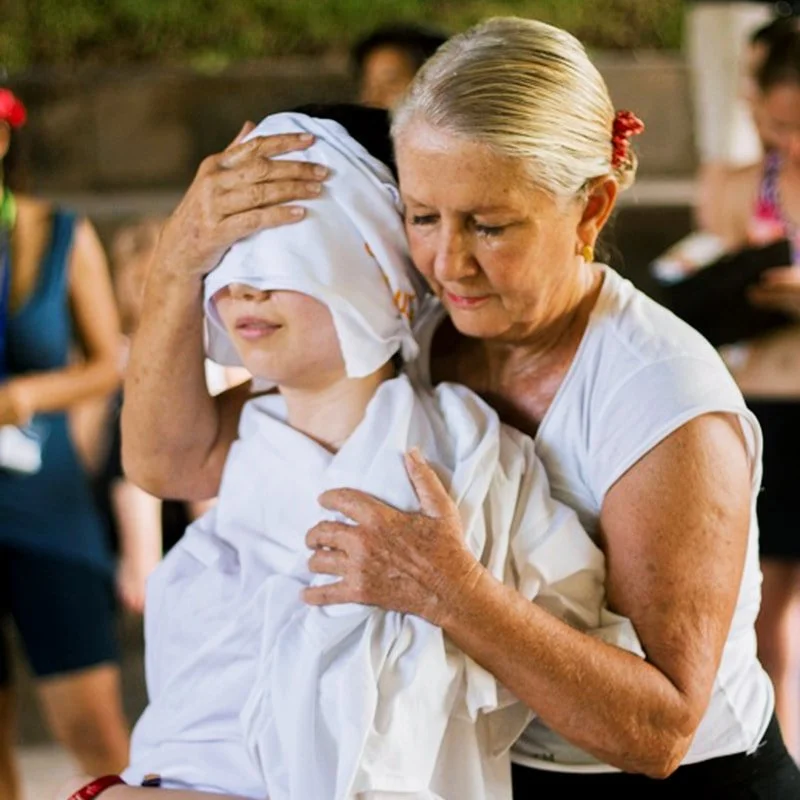
Esalen Massage welcomes pleasure, because we are designed to enjoy all our senses. We describe the experience as sensuous, meaning senses filled with spirit. Over the years we have worked to clarify that this is professional bodywork, shown through how we dress, how we present ourselves online, and the clear boundaries we keep between teacher and student and between practitioner and client. Clear boundaries create the safety that deep relaxation needs.
Who can learn Esalen Massage®?
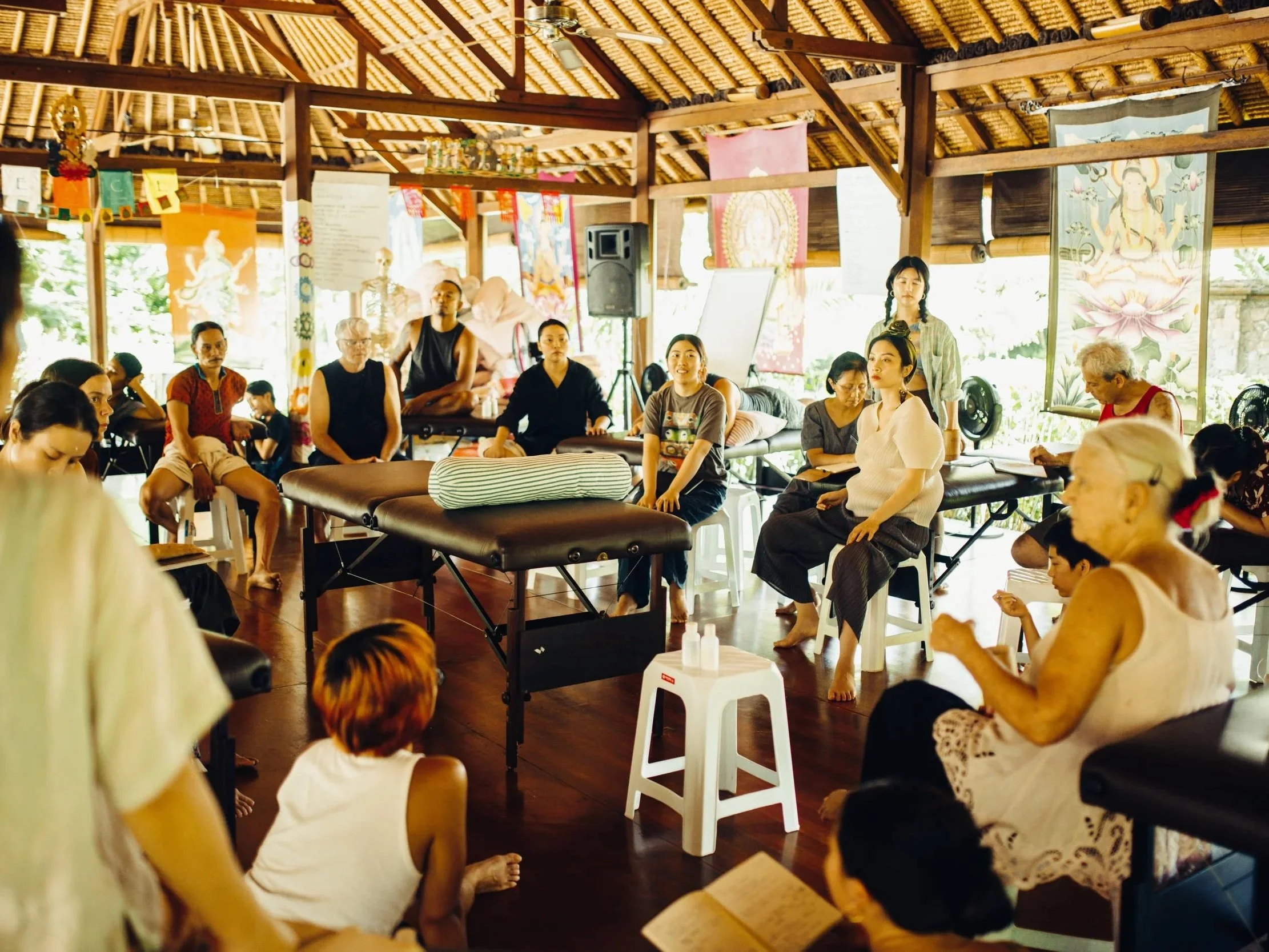
Beginners and experienced practitioners both train with us. Students learn presence, the long stroke, boundaries, and how to adapt the work to each person. Many arrive already skilled and leave with a deeper foundation.
Train Esalen Massage® with Ellen Watson in Bali
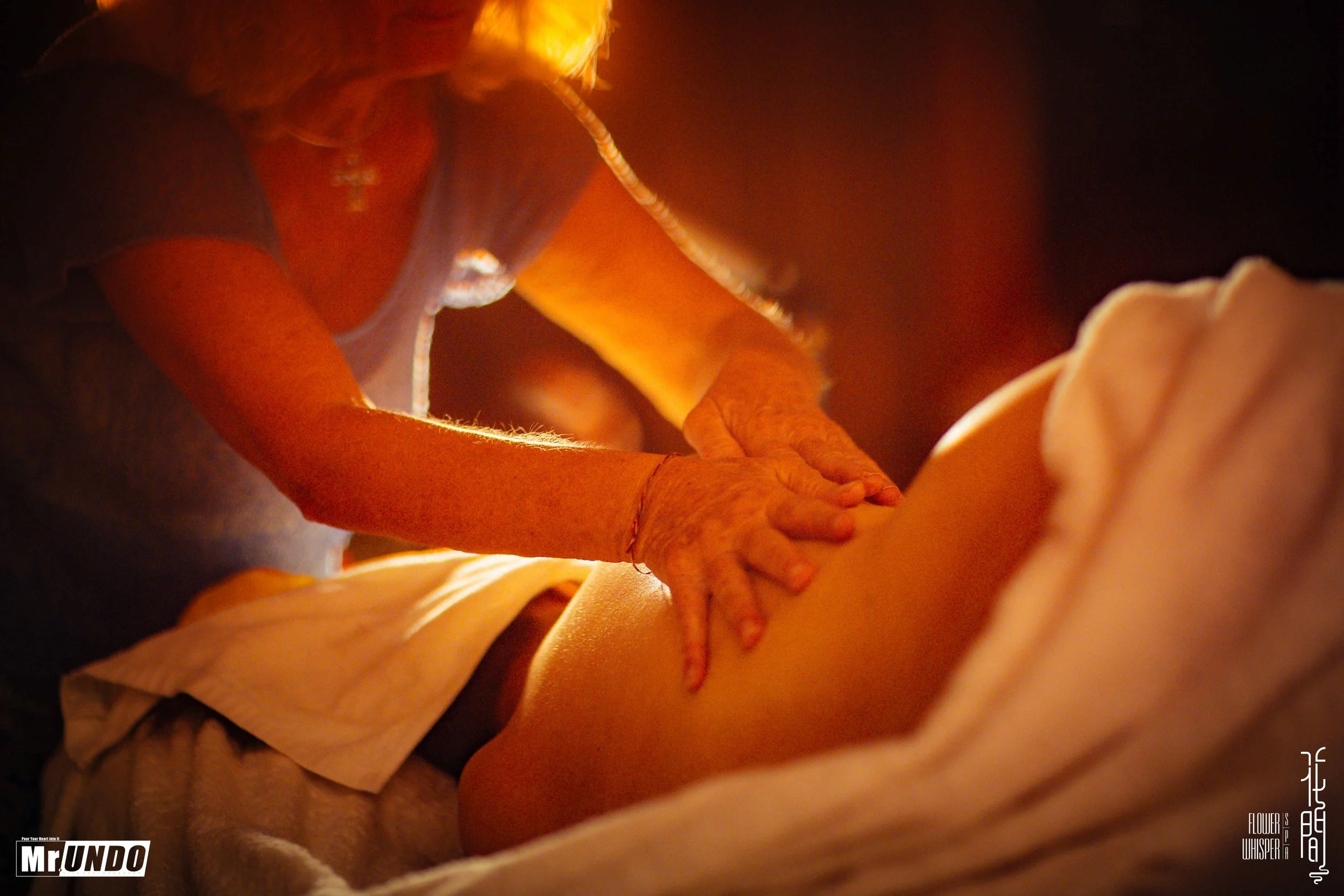
Join the next 175hr Esalen Massage program in Bali